October 20, 2026
Why Your Event Sounds Different Once the Room Is Full
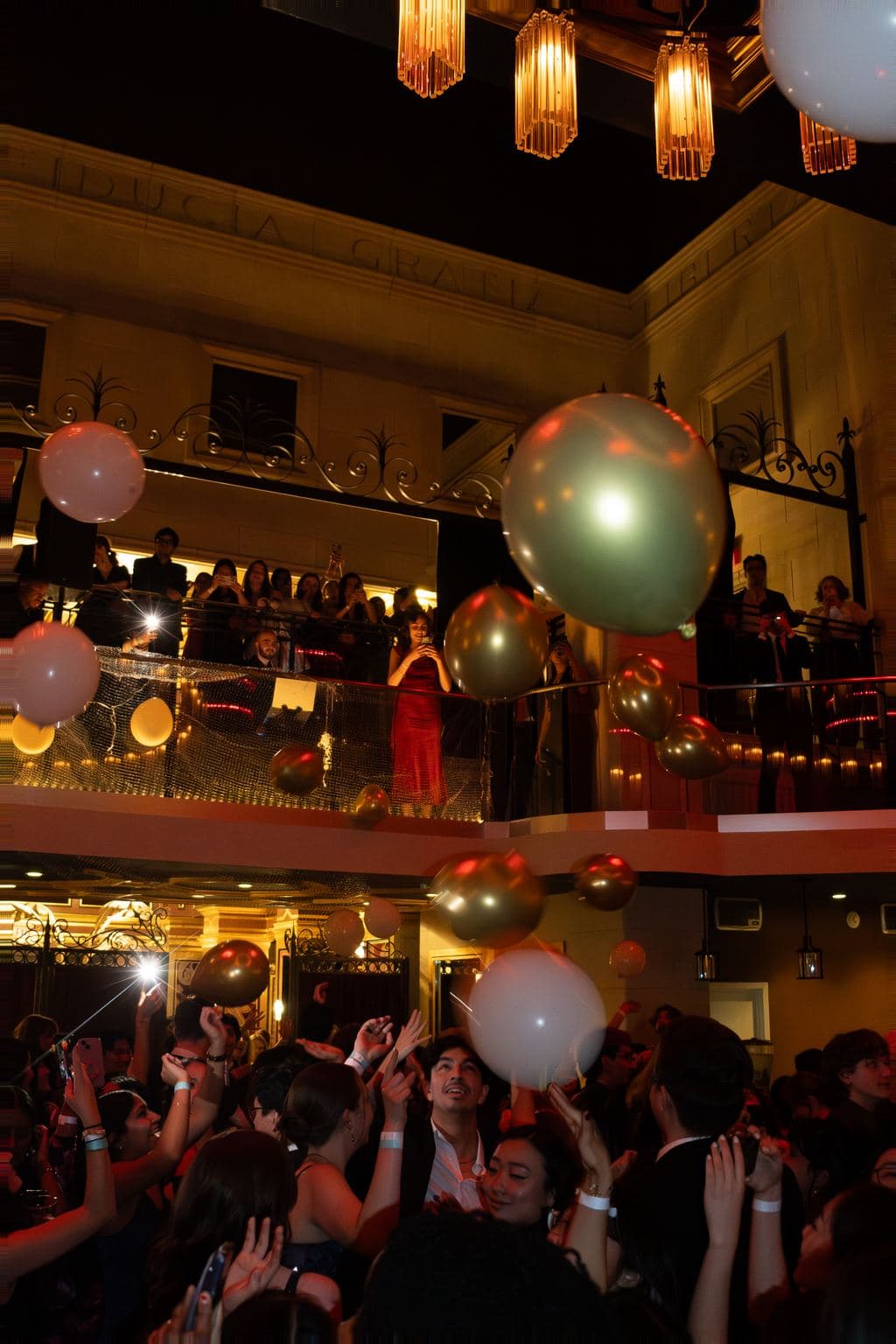
A sound check in an empty room and the actual event rarely sound the same, and it's not a sign anything went wrong.
What actually changes
An empty room is full of hard, reflective surfaces, floors, walls, tables, that bounce sound around and can make it seem louder and brighter than it will be later. Once guests fill the room, bodies and clothing absorb a lot of that sound, especially higher frequencies, which is why a system that sounded plenty loud during setup can feel quieter and duller once the room is at capacity.
Why this catches people off guard
The instinct is to assume the sound system is underperforming if it feels different once guests arrive. In most cases, it's not the system, it's the room's acoustics changing as it fills, exactly as physics predicts.
How professional sound design accounts for it
A system sized and calibrated only for an empty-room soundcheck is being calibrated for the wrong environment. Accounting for anticipated capacity in advance, not just testing in an empty room right before doors open, is what keeps sound consistent from an early arrival through a full room later in the night.
What this means for planning
If your event has a large expected guest count, mention it specifically when discussing your AV needs, not just the room's dimensions. The number of people in the room affects the acoustics as much as the room itself does.
FAQ
Does this apply to speech clarity too, not just music? Yes. Microphone levels and EQ set for an empty room often need adjustment once guests are seated and the room's acoustics have shifted.
Can this be tested in advance? Not perfectly, but an experienced AV team accounts for it based on expected capacity rather than only the empty-room test.
Does room shape matter as much as guest count? Both matter. See [Why Sound Behaves Differently Once a Room Is Full of Guests] for the more general version of this principle across event types.
Because PYRE designs sound around the actual room and event requirements, expected guest count is part of that conversation from the start, not an afterthought discovered at soundcheck.